

Buying a House in QLD Checklist for Home Buyers
Buying your first home in Queensland? You’re joining thousands of North Queenslanders taking that exciting step into property ownership each year. But between finance approvals, building inspections, and legal paperwork, the process can feel overwhelming.
This checklist breaks down everything you need to know about buying a house in QLD in 2025 — from securing your deposit to settlement day. We’ll walk you through the Queensland-specific requirements that matter most to buyers in Cairns, Townsville, and regional North Queensland.

Key Takeaways
- Get your finance pre-approved and understand your true borrowing capacity
- Budget for transfer duty (stamp duty), conveyancing fees, and building inspections — first home buyers may pay $0 stamp duty on new homes from 1 May 2025
- Engage conveyancing solicitors before signing contracts to protect your interests
- Always arrange building and pest inspections (critical in North Queensland’s tropical climate)
- Understand your cooling-off period rights — you have 5 business days in Queensland

Step 1: Get Your Finances Ready
Before you start browsing properties online, you need a clear picture of what you can actually afford.
Work Out Your True Budget
Your budget isn’t just about the purchase price. Factor in stamp duty, legal fees, building inspections, and moving costs.
Most lenders assess your borrowing capacity based on your ability to service the loan, not just your assets. They use a stress test to calculate whether you can still afford repayments if interest rates rise, with mortgage stress typically defined as spending 30% or more of your pre-tax income on home loan repayments.
Secure Finance Pre-Approval
Pre-approval gives you two major advantages: you’ll know exactly what you can spend, and sellers take your offers more seriously. In competitive markets like Cairns and Townsville, being pre-approved can mean the difference between securing your dream home and missing out.
Pre-approval typically lasts three months and requires full documentation of your income, expenses, debts, and savings. Your broker or lender will verify everything up front, which streamlines the process once you find the right property.
Step 2: Understand Queensland’s Transfer Duty (Stamp Duty)
Transfer duty (commonly called stamp duty) is one of your largest upfront costs when buying property. Queensland has some of the most generous concessions in Australia for 2025.
What You’ll Pay
Transfer duty in Queensland is calculated based on the dutiable value of the property, which is the higher of the purchase price or market value. For a $650,000 home, an investor would typically pay around $23,775 in stamp duty, while an owner-occupier might pay around $17,125 using the home concession.
First Home Buyer Concessions (2025)
Major changes came into effect on 1 May 2025. Eligible first home buyers now pay zero stamp duty on new homes or vacant land to build a home, with no property value cap. This unlimited concession applies to contracts signed from 1 May 2025 onwards.
For established homes, first home buyers pay no stamp duty on properties valued up to $700,000, with concessional rates available for homes between $700,001 and $800,000.
You can combine this with the First Home Owner Grant. The grant provides $30,000 for new homes under $750,000 for contracts signed between 20 November 2023 and 30 June 2026. After 30 June 2026, the grant reverts to $15,000.
Step 3: Find Your Property
Start your search with clear priorities. In North Queensland, consider practical factors like elevation (for flood risk), cooling costs, and proximity to cyclone shelters.
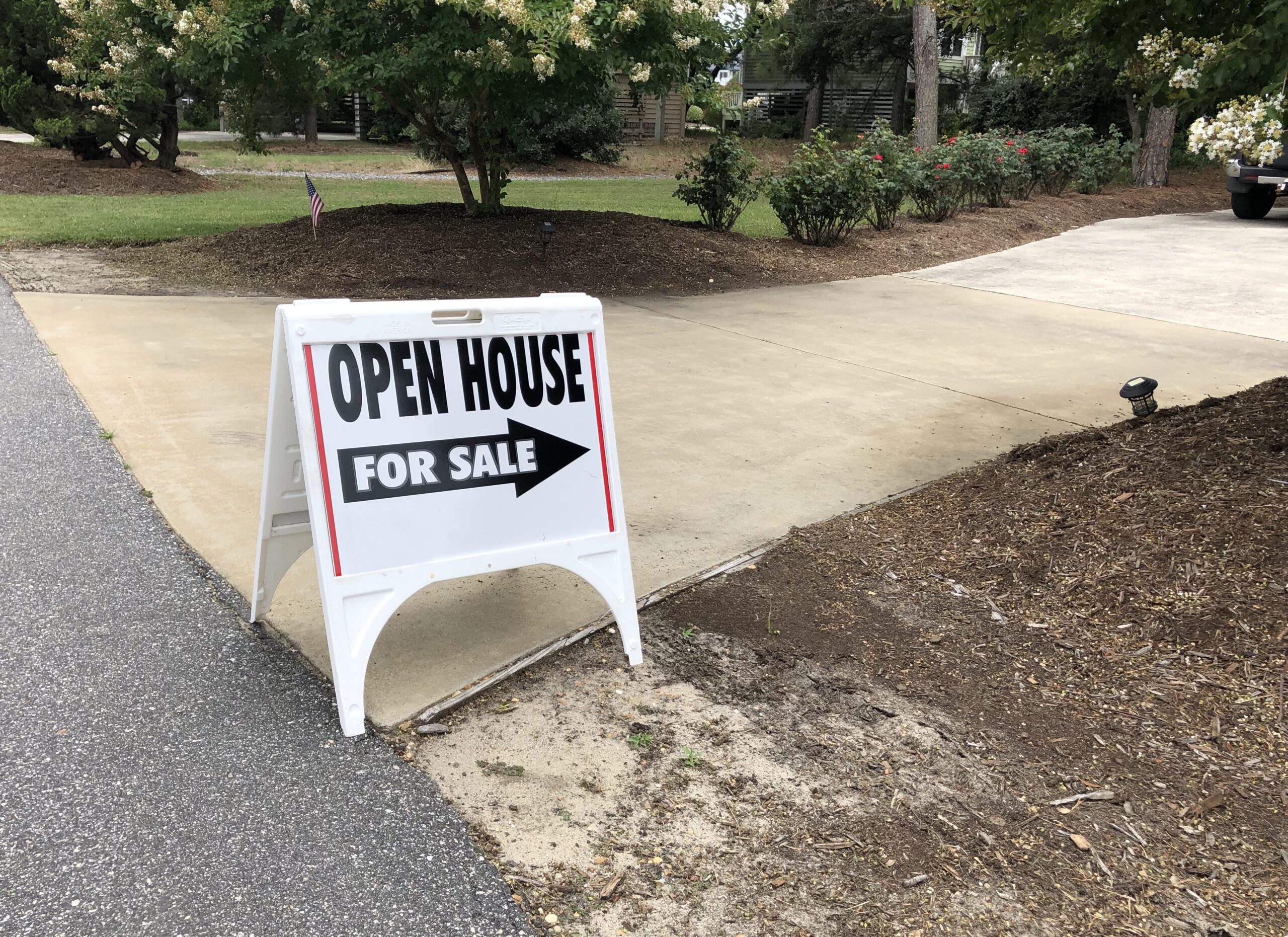
Attend Open Homes and Inspections
Don’t rush viewings. In Queensland’s tropical climate, check for signs of water damage, mould, or termite activity. Look at ceiling fans, air conditioning units, and whether rooms get adequate natural ventilation. North Queensland properties face unique challenges — rust on roofing, degraded timber from humidity, and cyclone damage are common issues that aren’t always obvious at first glance.
Pay attention to the surrounding area. Is the property in a flood zone? What’s the drainage like after heavy rain? Cairns and Townsville experience significant wet seasons, so these considerations matter.
Step 4: Engage Conveyancing Solicitors Early
This is critical: engage your conveyancer before you sign anything. Many buyers wait until after they’ve made an offer — by then, it’s often too late to negotiate important protections.
What Your Conveyancer Does
Your conveyancing solicitors handle the legal transfer of property ownership. They’ll review your contract before you sign, conduct title searches, check for easements or covenants, verify zoning regulations, and handle settlement arrangements.
In Queensland, eConveyancing is mandated for most property purchases, with documents prepared electronically on platforms like PEXA. Your solicitor manages this entire process and ensures funds are transferred correctly on settlement day.
Why it matters: Your conveyancer might identify issues like unclear property boundaries, restrictive covenants that limit renovations, or planning restrictions that affect future development. These discoveries can save you from expensive problems or help you renegotiate the purchase price.

Step 5: Make Your Offer
You’ve found the right property. Now it’s time to make an offer that’s competitive but protects your interests.
Include Subject Clauses
Most Queensland residential contracts include standard subject clauses. The two most important are:
- Subject to Finance: This protects you if your lender refuses final approval. You typically have 14-21 days to secure finance.
- Subject to Building and Pest Inspection: This gives you time to arrange professional inspections.
Your Cooling-Off Period
Queensland provides a five business day cooling-off period after you sign the contract, though a termination penalty of 0.25% of the purchase price applies if you withdraw. This cooling-off period doesn’t apply to auction purchases or if you’ve waived it in writing.
Step 6: Arrange Building and Pest Inspections
Never skip this step. In tropical North Queensland, building and pest inspections are essential.
Queensland’s climate accelerates structural issues. High humidity promotes timber rot and mould. Termites thrive year-round. Cyclones can cause hidden structural damage that won’t be obvious during a casual viewing. A comprehensive building inspection can typically cost $400-600, while pest inspections can cost $250-400. These small investments can save you tens of thousands in future repairs.
Your inspector will check structural integrity, identify water damage, assess electrical and plumbing systems, and look for termite activity or previous termite damage. If significant issues emerge, you have grounds to renegotiate the price or request repairs before settlement.

Step 7: Finalise Your Mortgage
Once your subject clauses are satisfied, your lender will issue final approval. At this stage, you’ll need to arrange:
- Home Insurance: Your lender requires proof of insurance before settlement. Home insurance should be active from the contract date, not just settlement day, to ensure coverage during the transfer period.
- Final Documentation: Submit any final paperwork your lender requests, confirm loan draw-down arrangements, and verify settlement funds will be available on the scheduled date.
Step 8: Settlement Day
Settlement is when legal ownership transfers from the seller to you. In Queensland, this happens electronically through PEXA in most cases.
Your conveyancer coordinates with the seller’s solicitor, your lender, and the Land Titles Office. On settlement day:
- Your lender releases funds to your solicitor
- Transfer duty is paid to the Queensland Revenue Office
- The seller receives their proceeds
- Title is registered in your name
- You receive the keys to your new home
The entire process usually takes a few hours. YourCairns lawyers handle everything electronically, so you don’t need to attend in person.
After Settlement: Your Next Steps
Congratulations—you’re now a homeowner! A few final tasks:
- Connect Utilities: Arrange electricity, water, internet, and gas connections in your name.
- Update Your Address: Notify Australia Post, electoral roll, banks, insurance providers, and government agencies of your new address.
- Meet Ongoing Obligations: If you purchased under a first home buyer concession, remember you must move in within 12 months and live there continuously for at least 6 months to maintain eligibility.

Need Expert Guidance?
Buying property in Queensland involves complex legal requirements and significant financial commitments. Working with experienced conveyancing solicitors ensures your interests are protected throughout the process.
Our team at Preston Law has helped thousands of North Queenslanders successfully navigate property purchases across Cairns, Townsville, and regional Queensland. We understand the unique challenges of buying property in tropical North Queensland, and we’ll make sure your contract protects you from unnecessary risks.
Your Complete QLD Home Buying Checklist
Financial Preparation:
- ✓ Calculate your true budget including all costs
- ✓ Get pre-approved for finance
- ✓ Understand stamp duty obligations and concessions
- ✓ Check eligibility for First Home Owner Grant
Property Search:
- ✓ Define your must-haves and nice-to-haves
- ✓ Research areas thoroughly (flood zones, services, schools)
- ✓ Attend multiple property inspections
- ✓ Consider North Queensland-specific factors (climate, cyclone risk)
Legal Protection:
- ✓ Engage conveyancing solicitor before signing
- ✓ Review contract thoroughly
- ✓ Include subject to finance and inspection clauses
- ✓ Understand your cooling-off period rights
Due Diligence:
- ✓ Arrange building inspection
- ✓ Arrange pest inspection (essential in QLD)
- ✓ Review inspection reports with your conveyancer
- ✓ Negotiate price based on findings if needed
Final Steps:
- ✓ Finalise mortgage approval
- ✓ Arrange home insurance (with cyclone cover)
- ✓ Pay transfer duty
- ✓ Prepare for settlement
- ✓ Arrange utility connections